
Toilets
A running toilet may need a new flapper or fill valve, a rocking one a new wax seal, and a cracked bowl a replacement. The plumber checks the parts before deciding.
Four household problems are covered below: a toilet that keeps running, a drip from a faucet, a shower valve that has lost its temperature control and a disposal that hums without grinding. Describe the fixture and ask for a free estimate.
Below, each fixture gets a short description, followed by DeSoto’s permit exemptions and the Texas exceptions for swaps and repairs.
A running toilet may need a new flapper or fill valve, a rocking one a new wax seal, and a cracked bowl a replacement. The plumber checks the parts before deciding.
Fixing a faucet can mean a new cartridge, washer or seat, or a new faucet in the kitchen, bath or laundry sink when the old one is worn out.
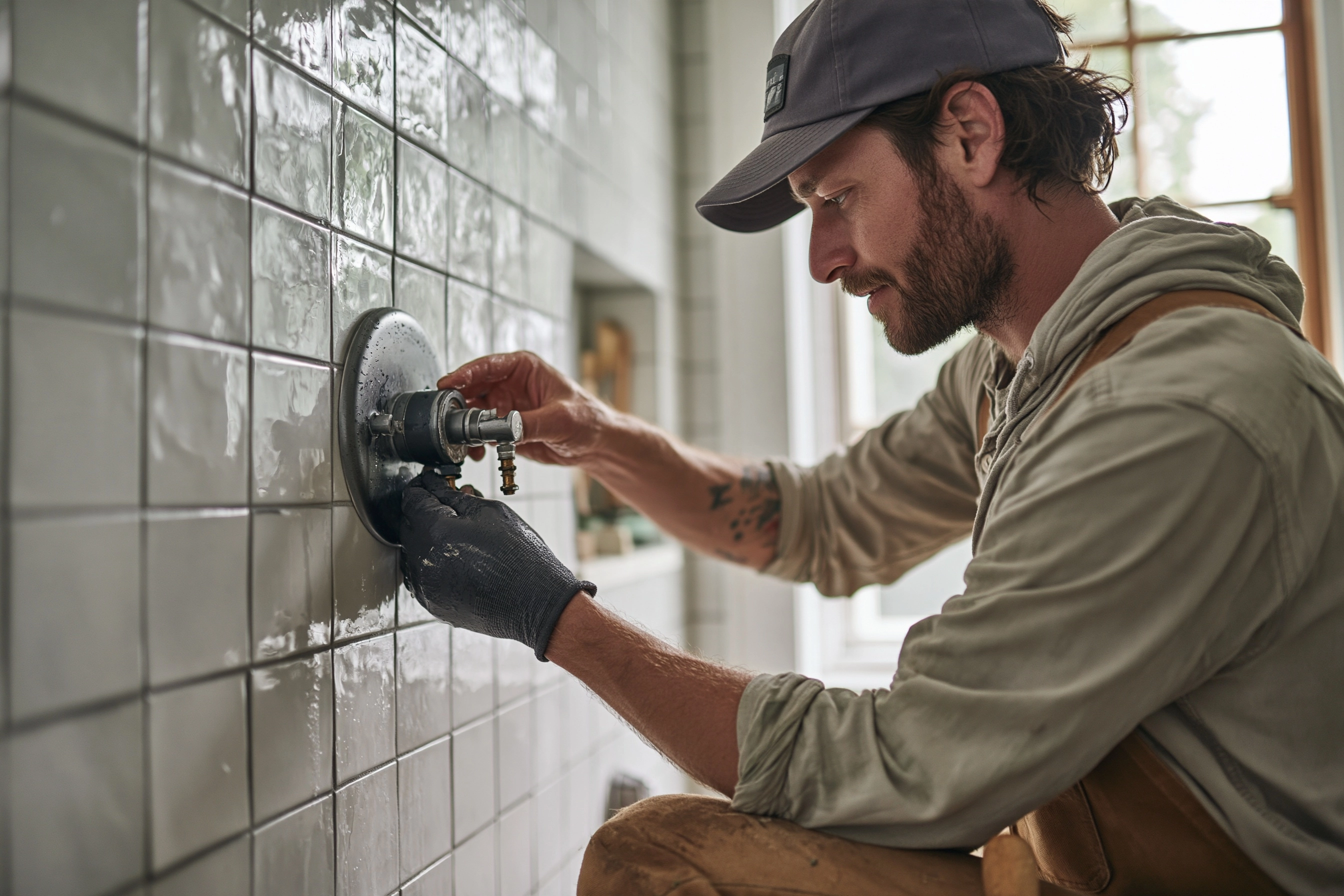
Behind the tile, a shower or tub valve can wear out. When it drips, sticks or mixes the water badly, the repair is a new cartridge or a new valve body, and the plumber may need to open the wall to reach it.
A disposal that jams, leaks underneath or hums without turning can be freed, repaired or replaced.
DeSoto’s permit rule exempts exchanging washers and faucets and replacing plumbing fixtures, and state law agrees, adding that repairing leaks and swapping lavatory or kitchen faucets, fill valves, garbage disposals or toilets needs no permit either. The plumbing system itself is another matter, since altering, repairing or replacing it takes a permit.
Putting a fixture in a new spot means running new supply and drain lines, which is plumbing work beyond a swap.
If a repaired fixture still lets water out, see drain cleaning for blockages and leak detection for hidden water; the homepage has the full service list.
Call us to discuss your current issue and how we can assist you. The call is free and you get a free, personalized estimate with no obligation. We're here to help.
Call (855) 321-3426